
Turn your roof into your cheapest power station.
Phoenix Solar designs, installs and maintains solar PV and battery storage systems that are modelled before they're sold, so the payback figures on your quote are ones we're prepared to stand behind, in writing.
Modelled first. Installed second.
Any installer can put panels on a roof. The difference between a system that delights you and one that disappoints is designed in before a single tile is lifted, which is why every Phoenix Solar project starts with a free desktop assessment using satellite imagery, irradiance data and shading analysis of your actual roof.
You'll receive a modelled annual generation figure in kWh, a month-by-month production curve, and a payback calculation based on your real electricity usage, not an optimistic national average. Only then do we talk hardware.
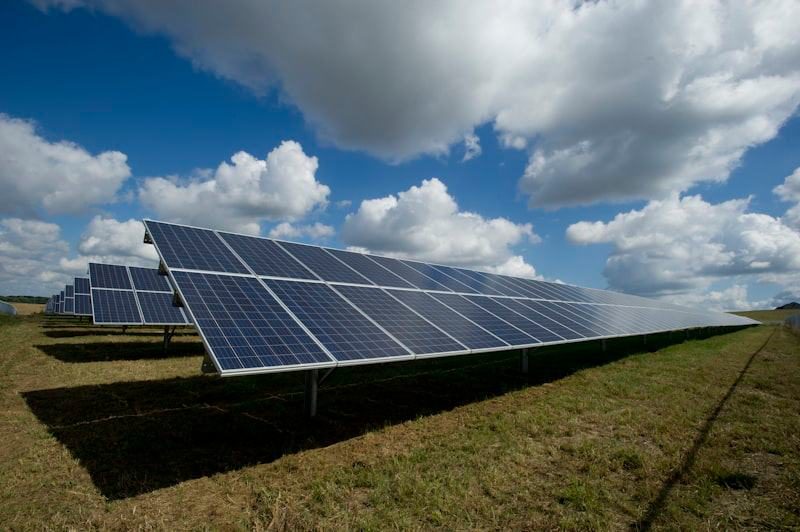
We install premium all-black panels from SunPower, REC, Aiko and JA Solar, typically 430-470W per panel, paired with hybrid inverters from GivEnergy, SolarEdge, Fox ESS or Tesla depending on your battery choice and roof complexity. Every string is optimised for your roof's orientation and shading, and every array is fitted with bird protection mesh as standard, because pigeons under panels are a London problem we'd rather you never discover.
- On-roof and in-roof systems: including flush GSE in-roof for new builds, extensions and re-roofing projects.
- Flat roof & ground mount: ballasted east-west arrays that maximise output without roof penetrations.
- Scaffolding, DNO & certification handled: G98/G99 applications, Building Control notification and MCS certificate all included.
- SEG export registration: we set up your Smart Export Guarantee so surplus generation earns from the first sunny day.
Use your sunshine after sunset.
Without storage, most homes export half their solar generation for pennies and buy it back at full price in the evening. A battery closes that loop, capturing your daytime surplus and releasing it when you actually need it, then topping up from cheap overnight tariffs in winter.
As certified Tesla Powerwall installers we fit Powerwall 3 with its integrated inverter and whole-home backup capability, alongside modular systems from GivEnergy and Fox ESS that let you start at 5kWh and grow. We'll size your battery from your smart meter data, not guesswork, oversized batteries waste money, undersized ones waste sunshine.
- Whole-home backup: with Powerwall's Backup Gateway, a power cut becomes a non-event.
- Tariff arbitrage: charge at 7p overnight, use it at peak instead of paying 28p; batteries pay back even without solar.
- Retrofit friendly: AC-coupled batteries add storage to existing solar arrays without touching your panels.
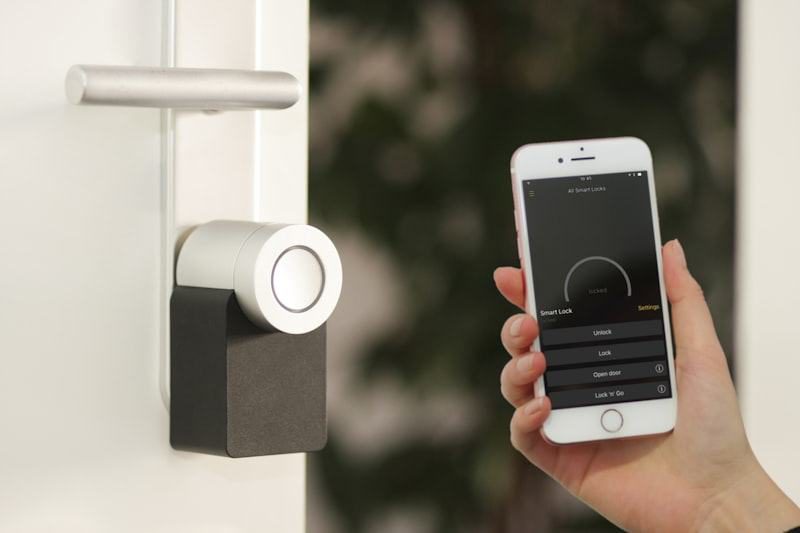
- Smart integration: batteries, EV charger and immersion diverter orchestrated so nothing fights for the same surplus.
What solar really costs, and returns.
Every home is different, but these worked examples from recent London installations show realistic ranges. Residential solar and battery storage currently attract 0% VAT, and all figures include scaffolding, installation, certification and SEG registration.
| System | Typical home | Est. annual generation | Guide price | Typical payback |
|---|---|---|---|---|
| 8 panels · 3.5 kWp | 2-bed terrace / flat with roof rights | 2,900-3,300 kWh | £5,200-£6,000 | 7-9 years |
| 12 panels · 5.3 kWp + 5 kWh battery | 3-bed semi | 4,400-5,000 kWh | £9,500-£11,000 | 7-8 years |
| 16 panels · 7 kWp + 9.5 kWh battery | 4-bed detached | 5,900-6,700 kWh | £12,500-£14,500 | 6-8 years |
| 20 panels · 8.8 kWp + Powerwall 3 | Large home with EV & heat pump | 7,300-8,300 kWh | £17,000-£19,500 | 6-7 years |
| Commercial 30-100 kWp | Warehouse, office, school | 25,000-90,000 kWh | Priced per project | 4-6 years |
Generation depends on orientation, pitch and shading; paybacks assume current tariffs and typical self-consumption with battery. Your personal figures come from your modelled assessment, not this table.
The details that separate a 25-year system from a 10-year one.
Structural roof survey
Rafters checked and load calculations done before we order a single panel. Heritage and slate roofs get specialist fixings, not "it'll be fine".
Bird protection as standard
Stainless mesh around every array. Retrofitting it after a pigeon colony moves in costs more than doing it right on day one.
DC done by electricians
String calculations, isolators and SPD protection to BS 7671, installed by qualified electricians, not just roofers with a crimper.
In-roof expertise
GSE integrated systems that sit flush with your tiles, the planning-friendly choice for conservation areas and the elegant one everywhere else.
Monitoring configured
Your app set up on handover with per-string visibility, so you can see exactly what your roof is doing, and so can we, if you ever ask us to check.
Aftercare & servicing
Annual health checks, inverter firmware updates and panel cleaning available on a simple plan. Solar is low-maintenance; it isn't no-maintenance.
From satellite photo to switch-on.
Desktop assessment
Free modelling of your roof within 48 hours: layout, generation estimate, and a realistic payback range from your actual usage.
Technical survey
An engineer confirms roof structure, cable routes, inverter and battery positions, and submits your DNO application where needed.
Installation
Most residential systems are installed in 1-2 days: scaffold up, panels and electrics in, commissioned and demonstrated before the scaffold comes down.
Handover pack
MCS certificate, EIC, warranties, datasheets and your SEG export registration, everything a future buyer's solicitor will ever ask for, in one folder.
Straight answers on solar and storage
South is ideal but far from essential. East and west roofs each produce around 80-85% of a south-facing equivalent, and an east-west split actually spreads generation across more of the day, often matching a household's usage better than a single midday peak. North-facing-only roofs are the one orientation we'll usually talk you out of.
Most residential solar falls under permitted development, so no application is needed. Exceptions include listed buildings, some conservation areas and flats. We check your property's status during the desktop assessment, and where permission is needed, or where a flush in-roof system would satisfy planners, we'll guide you through it.
If you're out during the day, a battery typically lifts your self-consumption from around 35% to 70%+ and is usually worth including from the start, especially at 0% VAT when installed with solar. If your daytime usage is high (home workers, heat pumps), panels alone perform well and a battery can be AC-coupled later. We'll model both options so you're choosing with numbers, not vibes.
Standard grid-tied solar shuts down in a power cut for safety. If backup matters to you, we can install a battery system with backup capability, from a single essential circuit through to Tesla Powerwall's whole-home Backup Gateway, which switches over so fast most appliances never notice.
Very little: London rain does most of the cleaning, panels have no moving parts, and inverters typically run 10-15 years before replacement. We recommend an annual visual and electrical health check, included in our care plan, plus a panel clean every couple of years if your roof pitch is shallow or you're near trees.
An owned (not leased) solar system with proper MCS paperwork is consistently viewed as an asset: lower running costs improve your EPC rating, and buyers increasingly ask for it. This is exactly why our handover pack matters, a certificate folder that survives conveyancing keeps your investment's value intact.